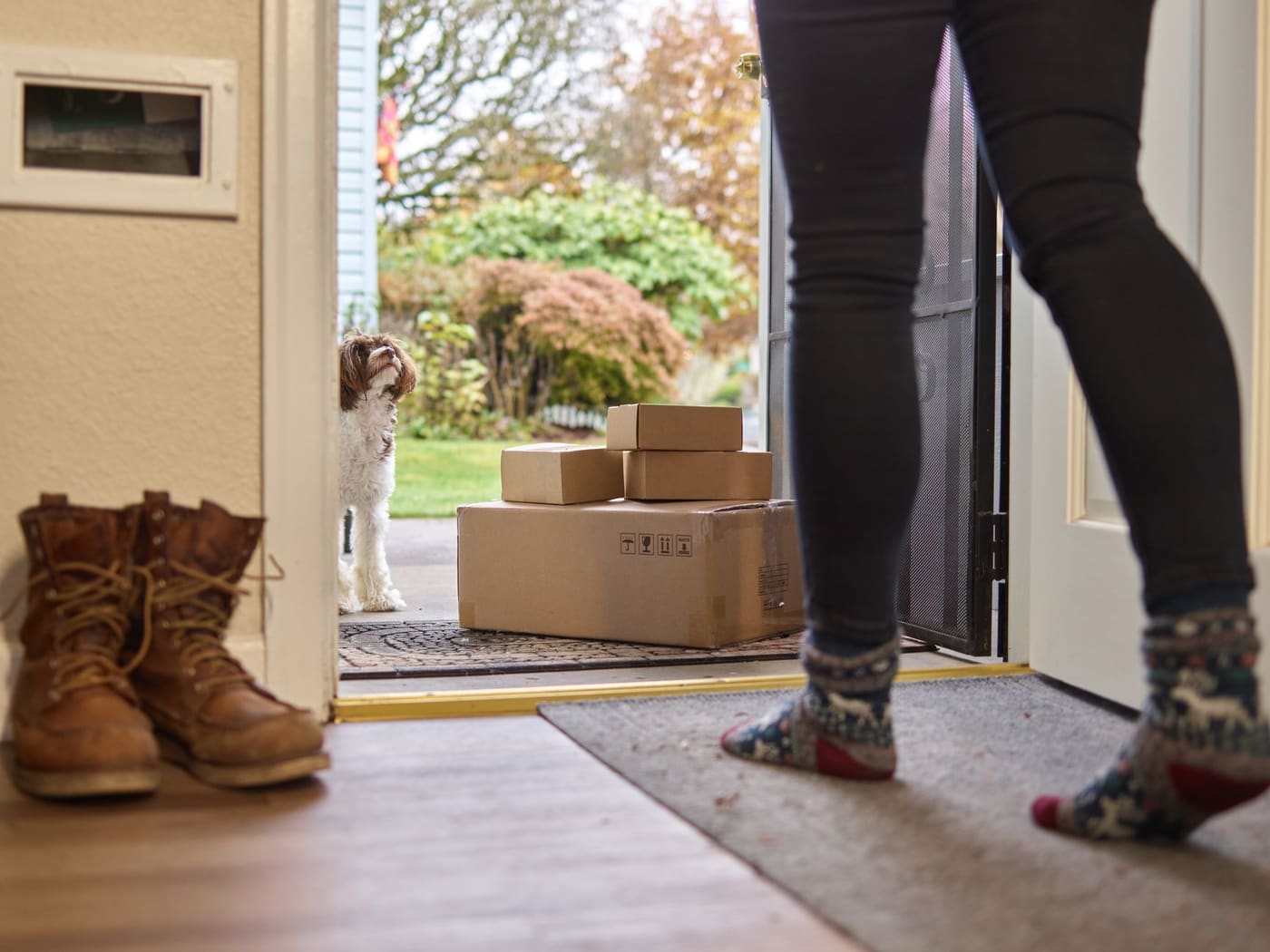
You stop an entryway from becoming a dumping ground by giving every item that arrives at the door a specific home, making that home easier to use than the nearest flat surface, and adding a short daily reset. Clutter collects where putting things away takes more effort than dropping them, so the fix is mostly about friction, not willpower.
An entryway is the first place everything lands: bags, shoes, mail, packages, keys, jackets, sports gear, and things waiting to go back out. If each of those has no assigned spot, the nearest bench, table or floor patch becomes the default. The steps below show how to find what is actually piling up, design around it, and build routines that hold.
Find out what is actually piling up
Guessing leads to storage that does not fit. For one week, take a photo of the entryway each evening, or write down what has collected. You will probably see the same categories repeat. Common ones include:
- Mail, flyers and paperwork
- Bags, backpacks and gym gear
- Shoes beyond the pairs in use
- Packages and returns
- Keys, wallets and chargers
- Outerwear that does not fit on the hooks
- Items that belong in other rooms, such as dishes, toys and tools
Each category needs either a home near the door or a faster route to its real home. Stuff that belongs elsewhere is the biggest hidden cause. A basket labeled “take upstairs” or “to other rooms” can catch these items and be emptied once a day, which is easier than stopping each one individually.
Match each category to a specific, easy-to-use spot
The best system works with your habits. People will drop things where they naturally stop, so put storage exactly there, at the height and place that takes the least effort.
| What piles up | Better home | Why it works |
|---|---|---|
| Keys and wallet | A tray or wall hooks at hand height | One motion on arrival |
| A slim sorter plus a recycling bin by the door | Junk goes straight out | |
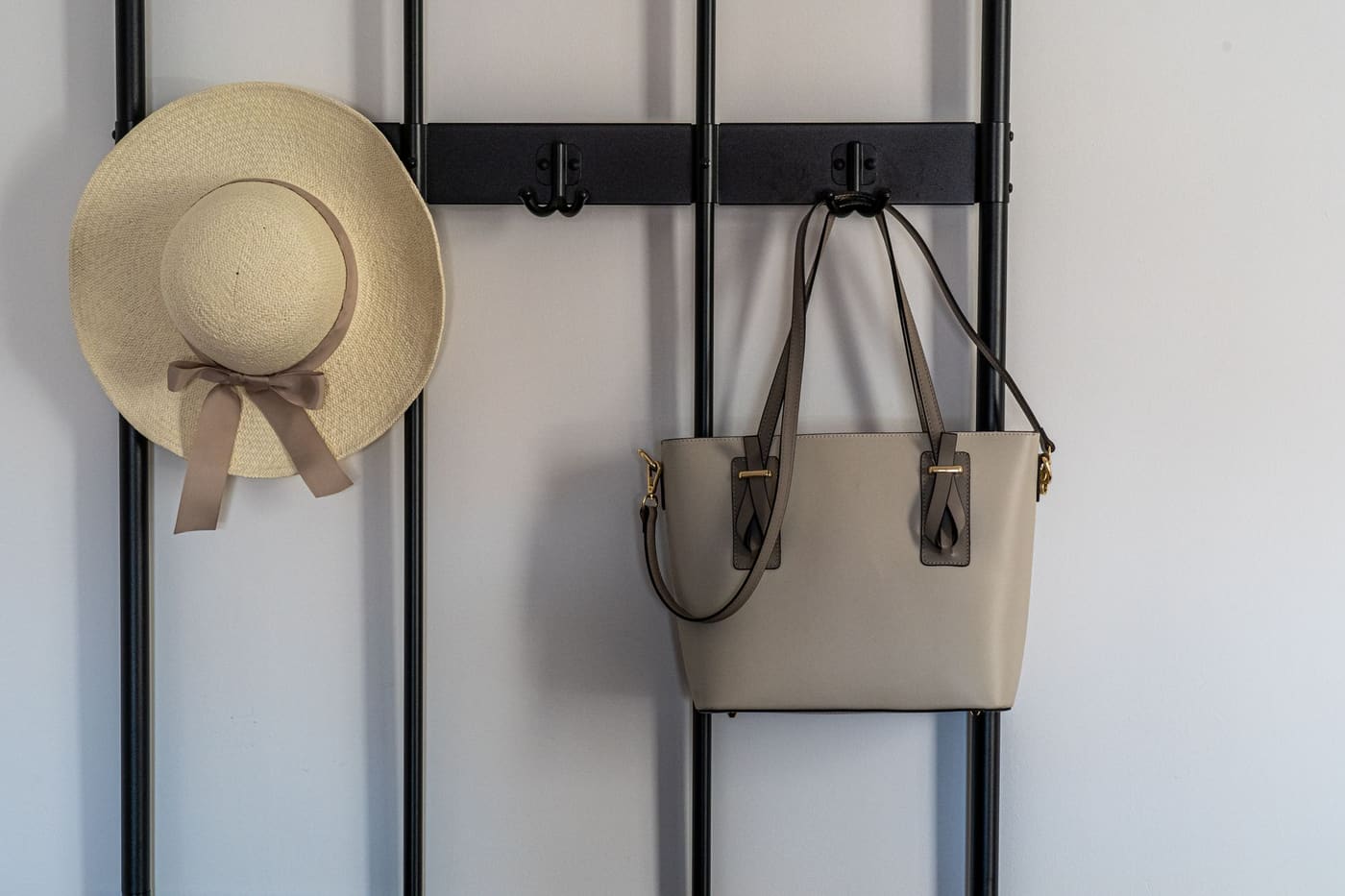
| Bags | One hook per person at the right height | No stacking on chairs |
| Shoes | Open rack or tilted cabinet on the floor | No lifting or opening doors |
| Packages | A lidded basket or shelf near the door | Open and clear the same day |
| Gear | A bin per person or activity | Kids can reach it |
The key is that the spot must be faster than dropping the item on a surface. A cabinet with a stiff door loses to a bench. A hook at eye level beats a closet across the room. If it takes more than a couple of seconds to put away, it will not happen on a busy day.
Reduce what comes in and what stays
The easiest clutter to manage is clutter that never arrives. Add a recycling bin close to the door and sort mail on the spot, ideally standing over it. Unsubscribe from catalogs and paper mailings you do not use, and open packages right away so cardboard leaves with the recycling.
Then limit what stays. Keep only the current season’s outerwear on the hooks, and move the rest to a closet or storage bin. Limit shoes in the entry to two or three pairs per person. Anything that has been there for a month without being used is a candidate for a different room.
Setting a physical limit helps. If six hooks are full, something comes off before another coat goes on. A shelf with space for four baskets holds four categories, not five. When the container is full, that is the signal to edit, not to buy a bigger container.
Give every person their own zone
Shared spots turn into nobody’s job. In a household, give each person a hook, a bin or a cubby, and make it visible. Small children do well with low hooks, around 40 to 48 inches (100 to 120 cm), and a bin they can reach without help. Teenagers and adults can use a numbered or labeled hook.
Personal zones have two benefits. People see their own pile and tend to manage it, and you can see at a glance who left what. This works better than a single large basket that becomes a catchall. If you live with roommates, each person can have a small bin or a labeled shelf to keep belongings separate.
Build a short daily and weekly reset
Systems hold when there is a small routine that resets them. Keep it brief enough that it actually gets done.
- Daily, about two minutes: Put shoes on the rack, empty the tray, hang up anything on the bench, and move the “to other rooms” basket contents to their homes.
- Weekly, about ten minutes: Clear the mail sorter, wipe surfaces, shake out the mat, and put away anything that does not belong.
- Monthly, about fifteen minutes: Check the hooks and shoe rack for items not used lately, swap seasonal items, and clean the floor under furniture.
Attach the reset to something you already do, such as right after dinner or before you go to bed. A visible cue helps too: if the basket is full, that is the reminder. If a routine fails twice, make the system easier instead of blaming yourself.
Pay attention to timing, too. Clutter tends to spike at predictable moments: right after work or school, after grocery runs, and on weekends when sports gear and errands pile up. If you know the busiest hour, place the most-used storage exactly where people stand at that time, and consider a short pause, such as unpacking bags before sitting down. A single rule, such as “bags are emptied before dinner,” does more than any container, because it deals with the pile before it grows into something that feels like a project.
Keep surfaces nearly empty on purpose
Flat surfaces attract piles. If you have a bench or console, keep most of it empty and let it have a small number of items, such as a tray and one lamp. When a surface is already crowded, adding one more item feels harmless. When it is clear, a pile stands out and gets moved.
If you can, replace flat open surfaces with hooks, wall shelves or closed storage. A wall-mounted shelf with a lip holds a few things without becoming a landing pad. Choose furniture that has a purpose, such as a bench with shoe storage, and avoid deep tables that invite piles. For help with picking pieces, what entryway furniture is actually worth it in a small space lists what earns its place. Our guide on how to add entryway storage without making it look busy explains how to keep the storage itself calm and cohesive.
If the clutter comes from a partner or roommate, avoid a standoff about tidiness. Talk about the friction instead: ask what makes it hard to put things away, and adjust the hook height, bin size or location. Labels with words or pictures help children and guests find the right spot, and a quick photo of the tidy version, taped inside a cabinet door, gives everyone a visual target for the weekly reset.
Handle shoes and wet gear separately
Shoes cause more entryway mess than any other category. A floor tray or boot mat about 1 inch deep contains wet and muddy pairs. A rack should hold the pairs in current use, not the whole collection. If your household often has guests, a basket for visitors’ shoes avoids a pile at the door.
For details on formats and sizes, what shoe storage actually keeps an entryway tidy compares racks, cabinets and benches. Whatever you choose, make sure wet items can dry. Damp shoes in a closed cabinet can stay wet and smell, so give them airflow, and let them dry in an open spot before storing.
When storage and safety need a professional
Most of this is simple home organization. Keep the path to the door clear, since piles of bags and shoes can cause trips and block an exit in an emergency. Do not store anything flammable, such as gasoline cans or propane, near the entry. If you are adding wall hooks or shelves, use hardware rated for the weight and anchor into studs where needed, and ask a handyperson if you are unsure what is behind the wall. For any electrical work, such as adding an outlet for charging, hire a licensed electrician.
To set up a landing spot and clear the clutter, use the entryway drop zone checklist.
Where this comes from
This article draws on general home-organization and habit-design practice, the U.S. Consumer Product Safety Commission’s guidance on anchoring furniture, and common fire-safety advice not to store fuel containers in living spaces. It was reviewed on 2026-10-07 against those sources. Prices, product ratings and local rules change, so check current figures with the maker, your landlord or the named agency before you buy or build.